Minimally Invasive Neural Interfaces
Overview
In traditional spinal cord stimulation, paddle electrodes (~12mm diameter) allow targeted epidural electrical stimulation but require high-risk implantation surgery. Conversely, percutaneous leads (<2mm diameter) can be inserted through needles under local anesthesia but provide limited spatial coverage with a risk of electrode migration.
Our design enables shape-morphing, pneumatically actuated paddle electrodes to be delivered through standard minimally invasive approaches, allowing targeted electrical stimulation while minimizing surgical risk.


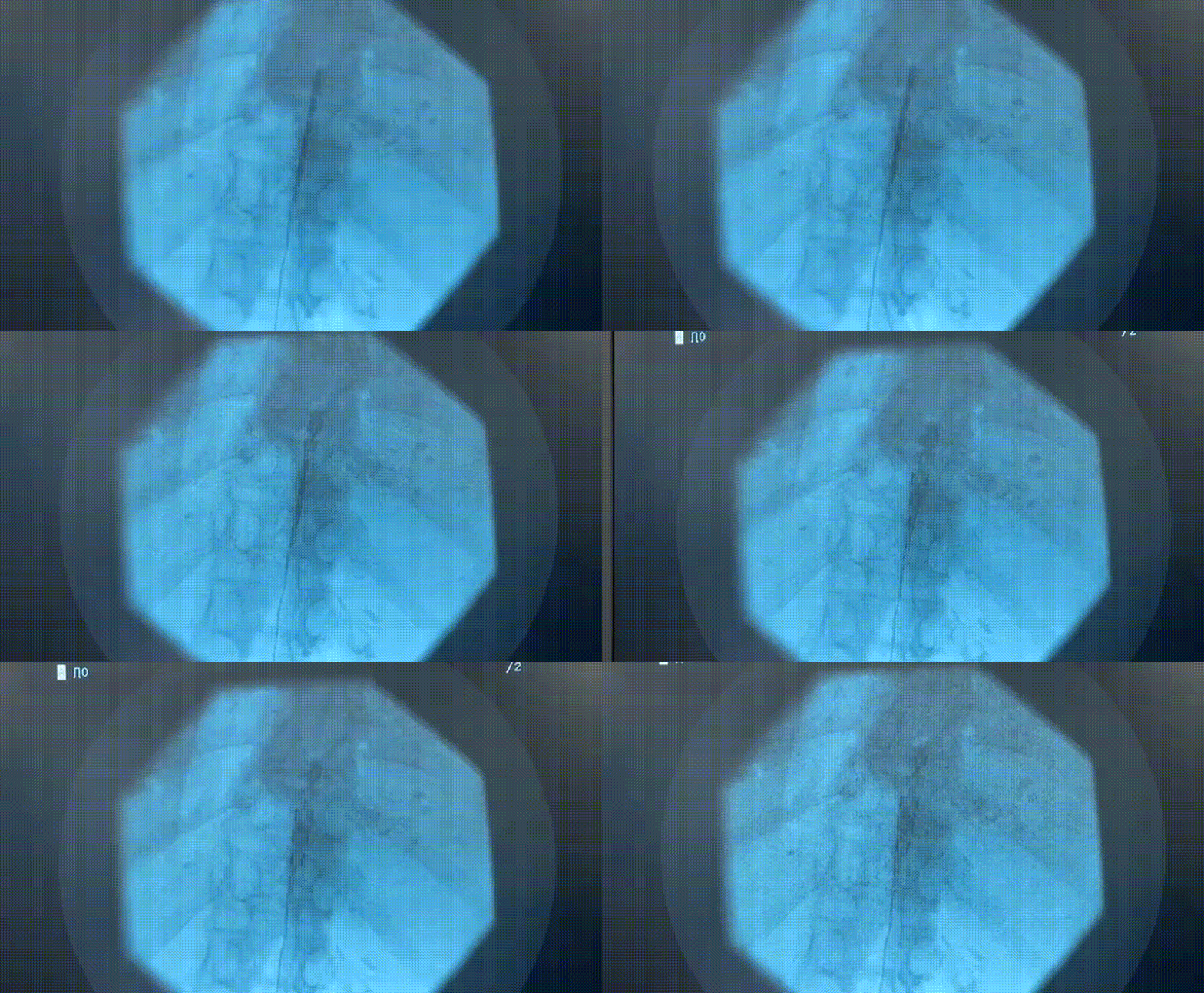
B. J. Woodington et al. Electronics with shape actuation for minimally invasive spinal cord stimulation. Sci. Adv. 7, eabg7833 (2021). DOI:10.1126/sciadv.abg7833
L. Coles et al. Origami-inspired soft fluidic actuation for minimally invasive large-area electrocorticography. Nat. Commun. 15, 6290 (2024). DOI:10.1038/s41467-024-50597-2
S. El-Hadwe et al. Cylindrical vs. Paddle Leads in Spinal Cord Stimulation for the Long-Term Treatment of Chronic Pain: A Systematic Review and Meta-Analysis. Neuromodulation (2025). DOI:10.1016/j.neurom.2024.10.007